


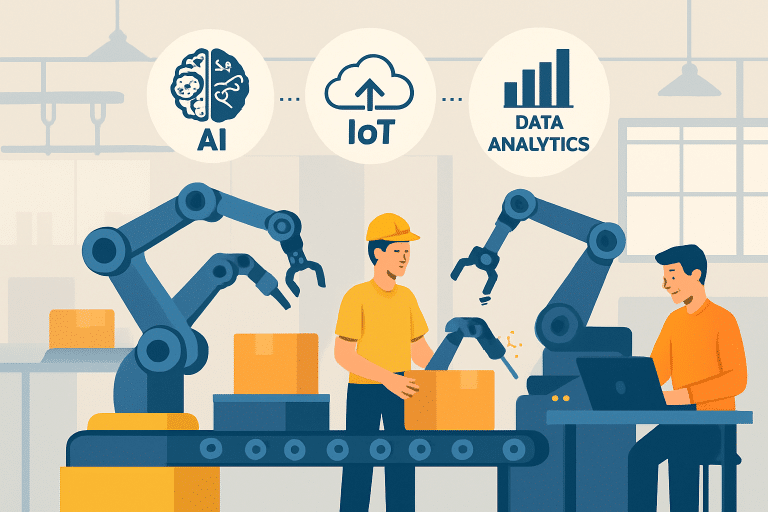
Industrial automation is at the forefront of the next evolution in manufacturing operations, fundamentally transforming how products are made and distributed worldwide. Fueled by rapidly advancing technologies, automation is empowering organizations to optimize workflows, increase output, and minimize human error. Today’s factories are no longer characterized solely by assembly lines and manual labor; instead, they are dynamic environments where machines and intelligent systems work seamlessly with human operators. Companies across diverse sectors are deploying sensor networks, self-programming software, and robotic systems to create more resilient and responsive supply chains, which allows them to adapt quickly to changing demands and unforeseen disruptions.
Central to this transition are integrated SCADA solutions, which enable real-time monitoring, data collection, and remote control of industrial machinery. By leveraging such platforms alongside innovations in machine learning and connectivity, manufacturers are pushing the boundaries of what automated systems can achieve. These tools enable detecting problems before they disrupt production, optimizing the use of raw materials, and reducing operational costs. This new era promises not only operational gains but also significant shifts in industrial workforce roles and security strategies, as automation becomes an essential part of maintaining competitiveness in the global marketplace.
Automation also enables improved traceability and analytics, supporting compliance efforts, reducing waste, and enabling faster root-cause analysis after unexpected disruptions. Traceability is vital, particularly in regulated industries such as food and pharmaceuticals, where detailed records are required for every step in the production process. As manufacturing organizations embrace digital transformation, they are increasingly focusing on long-term flexibility and sustainable operation to stay ahead in highly competitive markets, utilizing automation to support sustainable practices such as energy management and resource conservation.
Research from leading technology publishers, such as McKinsey, indicates that those who integrate automation strategically can unlock new revenue streams and innovate more quickly than with traditional approaches. Firms that fail to keep pace with automation risk falling behind not only in efficiency but also in the ability to create new products and respond to market shifts.
Key Technologies Driving Industrial Automation
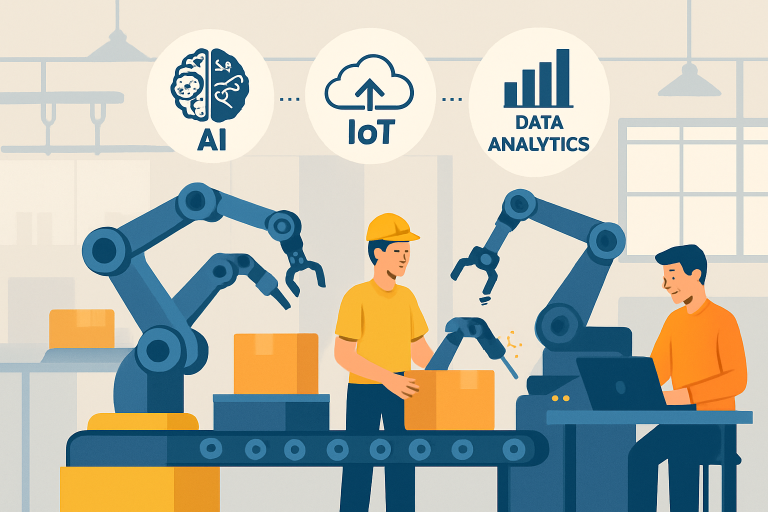
Modern industrial automation relies on a synergistic blend of advanced technologies that collectively bring unprecedented intelligence and adaptability to shop floors and production lines. Each of these technological pillars plays a specific role in creating an environment where machinery, digital systems, and workers function as an integrated whole:
- Artificial Intelligence (AI): AI-powered algorithms enable systems to interpret vast datasets, recognize patterns, and optimize production autonomously. For example, AI-driven machine vision is revolutionizing quality assurance by detecting defects invisible to the naked eye, as covered in The Wall Street Journal. Advanced AI tools can identify inefficiencies in processes, predict equipment failures, and even autonomously adjust to improve yield or reduce waste. Over time, machine learning algorithms become more sophisticated as they are exposed to larger datasets, making predictive analysis even more accurate and valuable for businesses.
- Internet of Things (IoT): IoT infrastructure connects machinery, sensors, and devices throughout industrial environments, creating a seamless flow of information. This interconnectedness lays the foundation for predictive maintenance, asset management, and holistic production oversight. With IoT devices deployed throughout a factory, managers can gain real-time visibility into every piece of equipment, monitor environmental conditions, and automate responses to issues such as overheating or vibrations. Predictive maintenance driven by IoT not only prevents costly breakdowns but also maximizes the lifespan of machinery. The data generated can serve as the backbone for enterprise-wide analytics platforms, providing insights that help organizations continuously refine processes and products.
- Robotics: The proliferation of collaborative robots (“cobots”) is transforming tasks across material handling and precision assembly. These robots operate safely alongside humans, boosting throughput while maintaining high safety standards. Enhanced with advanced sensors and programmable functionality, modern robots can be integrated into complex workflows. Robotic systems are also being designed with greater dexterity and flexibility, allowing them to handle a wider variety of tasks. Robots can be quickly reprogrammed to accommodate short production runs, making them ideal for industries that require customization or rapidly changing product lines.
By blending these technologies, companies can create fully automated production environments that are self-monitoring, self-adjusting, and capable of learning from every cycle. The result is faster decision-making, greater accuracy, and an ability to scale operations rapidly in response to customer needs.
Benefits of Automation in Industrial Operations
Organizations implementing industrial automation consistently report a wide range of operational and strategic benefits that extend well beyond immediate cost and productivity gains:
- Increased Efficiency: Automated systems work continuously with minimal downtime, enabling higher process throughput and uniform product quality. This consistency is pivotal in industries where margins are tight and product specifications are strict. Furthermore, automation reduces variability caused by human error, making production runs more predictable and easier to optimize. As a result, businesses experience fewer delays, lower inventory requirements, and greater reliability in fulfilling orders.
- Cost Reduction: Labor costs are reduced as repetitive or hazardous tasks are automated, while error rates drop due to precise automation, resulting in lower waste and rework expenses. Automated supply chain management can reduce logistical costs and support just-in-time manufacturing strategies. By minimizing the risk of defects and production stoppages, companies can allocate resources more effectively and reinvest savings into research and development or business expansion initiatives.
- Enhanced Safety: By automating dangerous or ergonomically challenging roles, companies reduce injury rates and protect their human workforce, complying with tighter workplace safety and health regulations. Automated systems can also intervene in dangerous situations where human intervention would be risky, such as handling toxic chemicals, lifting heavy loads, or operating at high temperatures. This shift results in a safer, healthier, and ultimately more productive work environment, reducing absenteeism and lowering insurance costs.
Additionally, automation supports better compliance with industry standards and environmental regulations. With robust data collection and reporting features, companies can easily demonstrate compliance with the quality, safety, and sustainability standards demanded by customers and regulators.
Challenges and Considerations
Despite clear advantages, automation presents challenges that require careful strategic planning and a willingness to adapt business models:
- Workforce Displacement: As machinery and algorithms assume manual or repetitive roles, companies need to proactively reskill and upskill workers to new positions centered on oversight, maintenance, and advanced analytics. Workforce transformation often requires investment in ongoing education, cross-functional training, and career development programs to ensure employees remain engaged and productive. Companies that prioritize employee development are also more likely to retain top talent and maintain a positive workplace culture during transitions.
- Cybersecurity Risks: The digital connectivity that fuels modern automation also exposes organizations to cyber threats, from ransomware attacks to data breaches. Consistent investment in robust, adaptive cybersecurity strategies is vital. Security frameworks must address not only perimeter defenses but also the unique vulnerabilities of industrial control systems and connected devices. Regular audits, employee awareness programs, and rapid response protocols are key components in reducing cyber risk and safeguarding proprietary data and processes.
- High Initial Investment: Automation technology and integration costs are often significant, presenting resource hurdles for small and midsize businesses. Leadership must balance upfront expenditures with long-term operational and competitive benefits. To overcome these barriers, some companies are exploring collaborative purchasing arrangements, leasing equipment, or partnering with technology providers to access expertise and support without incurring prohibitive costs.
Addressing these challenges head-on is essential for organizations aiming to get the most from automation and ensure a smooth transition to digitally enabled operations.
Real-World Examples of Automation in Action
Leading organizations demonstrate tangible results from embracing automation at scale. Examining these real-world applications helps illustrate the diversity of industries and challenges where automation is making a remarkable impact:
- Automotive Manufacturing: Industry giants like Hyundai are deploying fleets of autonomous mobile robots within “smart factories,” enhancing logistics and parts movement efficiency, which directly contributes to cost savings and leaner operations. These automated vehicles navigate factory floors, supply workstations, and carry components, all while avoiding collisions and streamlining inventory control.
- Public Safety: AI-enabled drones perform surveillance in hazardous or hard-to-reach areas, greatly reducing human risk while improving speed and accuracy in safety inspections across industries from energy to utilities. Drones can assess structural integrity, locate gas leaks, and monitor remote infrastructure, feeding high-resolution data back to analysts in real time for rapid decision-making. As a result, organizations can inspect complex sites more frequently and with greater consistency than ever before.
Other industries, such as pharmaceuticals, food processing, and electronics, are embracing automation to ensure regulatory compliance, maintain hygiene standards, and qualify for global markets by demonstrating consistent quality. These case studies highlight how tangible value is realized through automation, making adoption appealing across industries and scales.
Future Trends in Industrial Automation
The landscape of automation is evolving rapidly. Looking forward, several key trends are poised to shape the next decade of industrial innovation, with implications for virtually every sector:
- AI-Driven Decision-Making: Industrial systems will advance toward true autonomy, leveraging real-time data and self-optimization for both production and logistics. Machines will not only monitor operations, but also anticipate needs, automatically adjust schedules, reroute resources, and even initiate quality checks independently. The degree of intelligence expected from next-generation solutions will further boost productivity while lowering the potential for human error.
- Edge Computing: Enterprises will process and analyze data close to where it is generated, reducing response times and lessening cloud-related latency, which is essential for mission-critical applications. By distributing intelligence closer to operations, manufacturers gain faster feedback loops and more resilient operations, even if cloud connectivity is lost. This shift to the edge will enable even smaller factories to benefit from advanced analytics without requiring extensive network infrastructure.
- Modular Systems: Manufacturers will increasingly deploy modular, plug-and-play automation that enables rapid reconfiguration in response to evolving product lines or market swings, driving greater agility and resilience. Modular automation allows manufacturers to adapt equipment or production flows with minimal downtime, streamlining time-to-market and scaling operations in line with current demand. These flexible platforms are vital for businesses looking to remain relevant in the age of mass customization and rapid innovation cycles.
Together, these trends are expected further to blur the lines between physical machines and digital intelligence, accelerating the convergence of robotics, analytics, and cloud computing across industries.
Conclusion
Industrial automation is revolutionizing the manufacturing sector, dramatically enhancing operational capability, safety, and scalability. While adopting automation does require tackling workforce, investment, and cybersecurity hurdles, the organizations that embrace these changes now are positioning themselves for superior long-term outcomes. Proactive integration of new technologies and comprehensive employee development initiatives will ensure industries remain competitive and adaptable in a rapidly changing world. The momentum behind industrial automation is only set to increase, making it an essential strategic priority for any forward-thinking manufacturer.
