


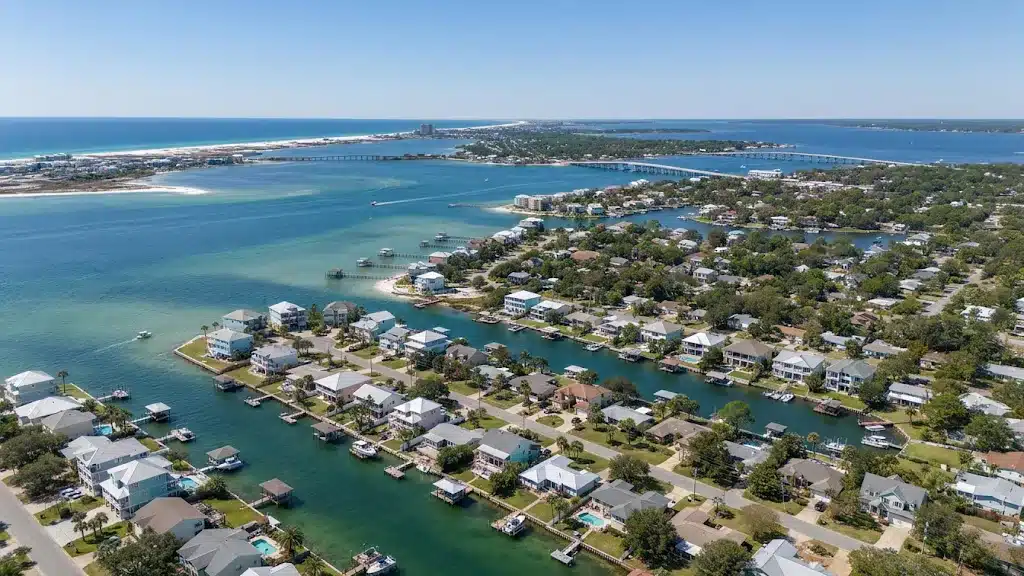
In Greater Pensacola, the neighborhood can shape your home-buying experience as much as the floor plan, view, or finishes. Two homes with similar prices may create very different routines depending on beach access, bridge traffic, nearby services, storm-preparation needs, and the amount of upkeep required. Buyers comparing Pensacola Beach, Gulf Breeze, Navarre, and nearby communities can find useful local perspective from Pensacola real estate agents Coastal Collective Group. Coastal Collective Group is a Greater Pensacola real estate team serving areas including Gulf Breeze, Navarre, Pensacola Beach, and Navarre Beach, with experience assisting buyers with relocations, waterfront purchases, luxury homes, and investment properties.
The best coastal neighborhood is not automatically the closest one to the Gulf or the one that looks most impressive online. It is the place that supports your budget, preferred pace, comfort with risk, maintenance expectations, and long-term plans. A structured comparison can help turn an emotional home search into a more confident decision.
Start With the Lifestyle You Want
Before comparing listings, define how you expect to use the property. A full-time residence, second home, rental property, and long-term investment can each require a different location and ownership strategy.
Make a simple priority list
- Write down three non-negotiable needs, such as a short commute, nearby medical care, or first-floor living.
- Add three preferences, such as walkable beach access, proximity to a marina, restaurants, or a larger yard.
- Identify three compromises you can comfortably make, such as accepting a longer drive in exchange for more privacy.
Try to judge every neighborhood by an ordinary Tuesday, not only by a sunny weekend visit. A lively beach setting may be ideal for one household and too active for another. Likewise, an inland neighborhood may offer more space and quiet while requiring more time behind the wheel.
Compare Coastal Neighborhood Types
Greater Pensacola offers several distinct coastal living patterns. None is universally better, but each comes with trade-offs worth considering before making an offer.
- Beachside communities: These can provide convenient shoreline access and a vacation-like atmosphere, but parking, visitor activity, and seasonal traffic may affect daily life.
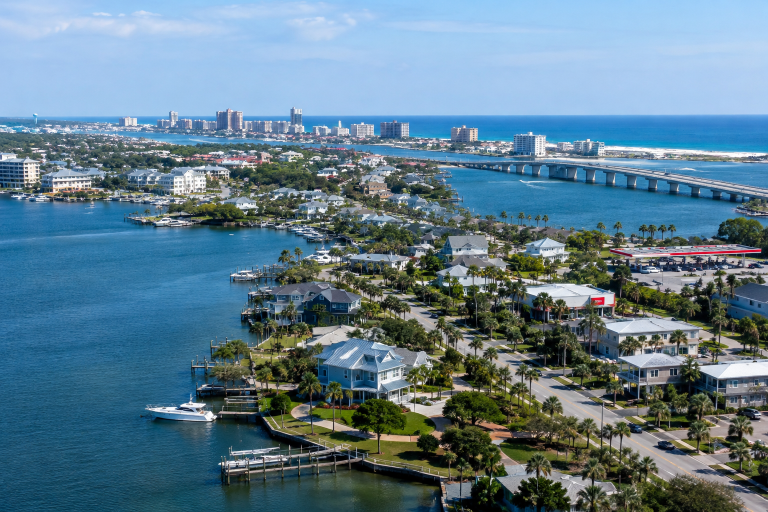
- Waterfront and boating areas: Water views and dock access can be compelling, yet buyers should investigate dock permissions, bridge clearance, seawall condition, and responsibility for waterfront improvements.
- Inland neighborhoods near the coast: These may provide more lot space or a more residential setting, though beach trips, dining, and waterfront recreation can require more driving.
- Condominium communities: Shared amenities and exterior maintenance can simplify ownership, while association fees, rules, insurance arrangements, and reserves become important parts of the decision.
- Single-family neighborhoods: These can offer privacy and flexibility, but owners generally assume more responsibility for roofs, landscaping, exterior systems, and major repairs.
Build a Complete Ownership Budget
The listing price is only one part of affordability. Create a monthly and annual estimate for every finalist property, then compare the total rather than focusing only on the mortgage payment.
- Mortgage principal and interest
- Property taxes
- Homeowners, wind, and flood insurance, when applicable
- HOA or condominium dues
- Utilities, internet, pest control, landscaping, and pool service
- Fuel, tolls, commuting, and routine errands
- Repair reserves for the roof, HVAC, windows, exterior finishes, dock, or seawall
For example, a home farther from the water may cost more upfront but have lower anticipated insurance or maintenance needs. A less expensive property with high association dues, a long commute, aging systems, or specialized waterfront upkeep may cost more over several years. Request insurance quotes early, because they can materially change a purchase budget.
Review Flood, Storm, and Evacuation Factors
Flood zones, evacuation zones, storm-surge exposure, and wind considerations are related, but they are not interchangeable. Research the specific address rather than assuming that every home in the same community has identical exposure or insurance needs.
Use the FEMA flood map search to review an address as an official starting point for flood-hazard information. Then speak with an insurance professional, lender, inspector, and local emergency-management office about how the property’s location and construction may affect coverage and preparedness.
- Ask about past flooding, water intrusion, storm damage, and repairs.
- Review drainage patterns, visible grading, roof age, windows, exterior doors, and storm-protection features.
- Request available permits, elevation documents, inspection reports, and repair records.
- Consider how you would prepare the property if severe weather were approaching.
Visit Each Area More Than Once
A neighborhood can feel completely different at different hours and in different weather. Visit your finalists repeatedly before committing.
- Visit on a weekday morning to observe traffic, school activity, and commute patterns.
- Return in the afternoon to test parking, errands, and road access.
- Visit after dark to assess lighting, visibility, and activity levels.
- Stop by during a weekend or a busy holiday period when possible.
- After substantial rain, look for drainage concerns or standing water near streets and driveways.
Measure Daily Convenience Beyond the View
Drive the routes you would actually use, including trips to grocery stores, pharmacies, medical offices, schools, major roads, and the airport. In coastal areas, bridges and limited road connections can matter greatly when traffic is heavier than usual.
You can also use U.S. Census Bureau data to compare community information, including population, housing, and commuting data for available local geographies. Combine that broad information with firsthand visits, because statistics cannot tell you how a particular street feels at rush hour or after sunset.
Look Beyond the Property Line
Walk the nearby streets and inspect the surroundings with the same attention you give the house itself. Note the condition of roads, sidewalks, drainage features, neighboring properties, shared spaces, and public access points.
Ask about planned construction, zoning changes, road work, private-road maintenance, common-area responsibilities, and nearby noise sources. Marinas, restaurants, events, aircraft activity, traffic, and short-term rentals may all influence the experience of living in a particular location.
Review HOA and Condominium Documents Early
For a condominium or association-governed home, request documents before you become emotionally committed. Review the current budget, reserve information, recent meeting minutes, insurance details, rules, and notices of special assessments or planned capital work.
- Confirm rules for rentals, pets, guests, parking, boats, and renovations.
- Identify what the association maintains and what remains the owner’s responsibility.
- Ask whether dues could change because of insurance, maintenance, or major projects.
Create a Neighborhood Scorecard Before Making an Offer
Rate each neighborhood from one to five in these categories: lifestyle fit, total ownership cost, storm and flood considerations, daily convenience, maintenance demands, future flexibility, and resale appeal. Then write a short note explaining each score. The goal is not to find a perfect neighborhood, but to identify the one whose trade-offs best fit your life.
Questions to Ask Before You Commit
- What will the full monthly ownership cost likely be?
- Which insurance policies and deductibles should I expect?
- Has the property experienced storm damage, flooding, or water intrusion?
- Are association fees, assessments, or major projects anticipated?
- How does traffic change during weekends, holidays, and peak seasons?
- Will this location still support my needs five years from now?
Conclusion
Choosing a neighborhood in Greater Pensacola means balancing the appeal of coastal living with the practical demands of everyday ownership. Compare beach access, commute routes, nearby services, insurance costs, flood and storm exposure, and ongoing maintenance before deciding which area fits your needs. Review association documents and visit each location under different conditions to uncover details that a listing or weekend showing may not reveal. With careful research and local guidance from Coastal Collective Group, you can find a neighborhood that supports your lifestyle, budget, and long-term plans.
