



Buying near the water in Redwood Shores means comparing more than views. Lagoon paths, planned residential streets, access to Peninsula job centers, shared amenities, and property-specific maintenance needs can all shape the experience of living there.
For buyers beginning their search, Carmen Miranda provides a searchable local resource for Redwood Shores Homes for Sale. The page is designed for exploring residential listings in Redwood Shores, San Mateo, and Carmen Miranda’s local Peninsula service area, making it a useful starting point for comparing home styles, locations, and current market options.
What Waterfront Living Really Means
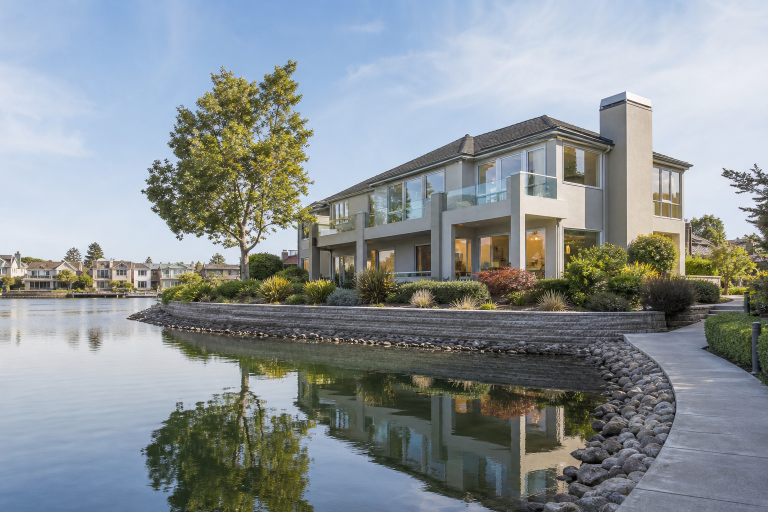
Not every water-oriented home offers the same setting. An open-bay location may emphasize broad views and exposure to wind, while a lagoon-side home may feel more sheltered and connected to walking routes. A property can be close to the water without having private shoreline access, so buyers should confirm what is public, shared, or privately maintained.
In Redwood Shores and nearby Peninsula communities, the daily appeal may come from outdoor paths, parks, quiet streets, and proximity to employment centers as much as the water itself. Consider the lifestyle you expect to use. A buyer who walks daily may value direct path access, while another may prioritize a larger garage, a quiet office, or a short drive to services.
The Main Factors To Compare
Create a simple one-to-five score for every neighborhood or property you tour. Use the same categories each time so a memorable view does not overshadow practical differences.
- Housing choices and layout flexibility
- Commute routes, transit, and parking
- Water, earthquake, and drainage considerations
- Insurance, HOA dues, and maintenance obligations
- Parks, paths, shopping, dining, and medical services
- Traffic, construction activity, noise, and lighting
- Planned development and long-term resale appeal
Review Housing Types And Home Layouts
Compare detached houses, townhomes, condominiums, and newer planned residences separately. Square footage alone rarely explains how a home works. Look at bedroom placement, storage, garage capacity, outdoor space, natural light, stairs, and the ability to adapt the home as work or household needs change.
A townhome with an efficient floor plan and low exterior upkeep may suit a frequent traveler. A detached home may offer more privacy and outdoor flexibility, but it can also place more repair responsibility on the owner. For any community with shared amenities, read the HOA rules and financial documents before removing contingencies.
Check Flood Risk, Insurance, And Resilience
Start risk review early, not after negotiations become urgent. Search the FEMA Flood Map Service Center for flood hazard information, then request insurance quotes and ask qualified professionals how the specific home, elevation, drainage, and prior water history affect coverage and cost.
Seller disclosures can reveal past leaks, drainage work, insurance claims, or repairs. Ask who maintains nearby storm drains, landscaped common areas, walls, pumps, or other shared infrastructure. Waterfront areas also call for an earthquake-focused review. The U.S. Geological Survey’s liquefaction hazard maps explain why local ground conditions can be relevant when evaluating earthquake exposure.
Measure Daily Convenience And Transportation
Tour at least three times: a weekday morning, a weekday evening, and a weekend afternoon. Drive the routes you would actually use, including backup routes. Notice school traffic, parking availability, lighting, bike connections, pedestrian crossings, construction, aircraft activity, and the time required for ordinary errands.
For commuters, compare highway access, Caltrain connections, employer shuttles, bus service, tolls, and parking costs. Also, plan for a work schedule that may change. A location that fits a hybrid routine could feel very different if regular travel to San Francisco, San Jose, or another Peninsula office becomes more frequent.
Build A Complete Ownership Budget
Your monthly estimate should extend beyond principal and interest. Include property taxes, homeowner’s insurance, possible flood coverage, HOA dues, utilities, landscaping, parking, tolls, and a repair reserve. Waterfront-adjacent homes may require particular attention to exterior paint, roofs, decks, drainage, windows, and other features exposed to moisture or wind.
Ask whether the HOA has upcoming work, reserve funding concerns, or the ability to levy special assessments. A lower purchase price is not necessarily the lower-cost choice if the home needs near-term upgrades or carries substantial ongoing obligations.
Complete Neighborhood Due Diligence
- Read disclosures, inspection reports, permit history, and HOA documents carefully.
- Ask about nearby construction, zoning changes, shoreline work, and public infrastructure plans.
- Visit after rain when possible to observe drainage, standing water, and route conditions.
- Use appropriate specialists for structural, drainage, insurance, or geotechnical questions.
- Confirm which amenities, paths, docks, parking areas, and shoreline spaces are actually available to residents.
Use Local Listing Data The Right Way
Active listings and recent sales are most useful when compared by property type and condition. Separate condos from townhomes and detached homes. Then account for view quality, renovations, outdoor space, water orientation, HOA structure, and days on market. An asking price is a seller’s position, not a complete measure of value.
Track inventory over several weeks or months when your timeline allows. That broader view can help distinguish a home that is simply unusual from a wider shift in buyer demand or available supply.
A Simple Buyer Comparison Checklist
- Location: Does the area support your real commute and routine?
- Home: Does the layout work now and leave room for future needs?
- Water: What kind of access, view, maintenance, and exposure comes with the setting?
- Risk: What do mapping tools, disclosures, inspections, and insurance quotes indicate?
- Costs: Can you comfortably cover recurring expenses, repairs, and reserves?
- Future: Could development, infrastructure, or changing work needs alter the fit?
- Resale: Will the property’s practical features appeal to more than one type of buyer?
Final Thoughts
The best waterfront neighborhood is not always the one with the largest view or highest profile. For a Redwood Shores buyer, the strongest choice is usually the one that brings together daily convenience, a functional home, manageable costs, informed risk planning, and a setting that still fits years from now.
