


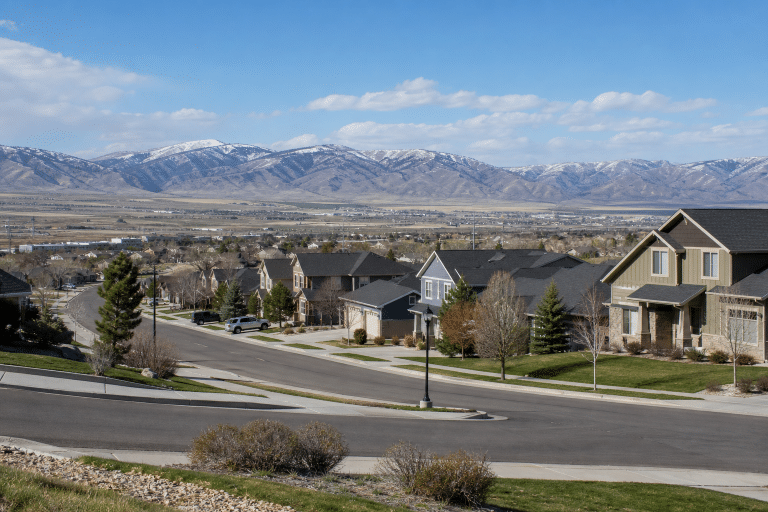
A beautiful kitchen or large yard can make a strong first impression, but location is the part of a purchase that cannot be renovated later. After narrowing your preferred areas, reviewing current homes for sale in Evanston can help you compare local property types, price points, and available inventory. Britany Erickson provides local real estate guidance for buyers considering Evanston, Wyoming, and nearby communities, and her Evanston listing page brings together homes and condos, market information, and buyer-focused resources to evaluate local options.
Researching the area before making an offer helps you choose a home that works not only on closing day but also on an ordinary Tuesday morning, during a snowy winter commute, or on a busy weekend. The right neighborhood depends on your budget, lifestyle, household needs, and long-term plans.
Start With A Personal Needs List
Before comparing neighborhoods, write down what you need for daily life. Separate true non-negotiables from features that would simply be nice to have. This step can prevent one attractive listing from pulling your search away from what matters most.
- Set a comfortable monthly housing budget, not just a maximum purchase price.
- List essential services, including grocery stores, pharmacies, medical care, and child care.
- Decide how much indoor space, yard space, privacy, and storage you need.
- Rank priorities such as commute time, quiet streets, walkability, views, schools, and recreation.
- Consider whether your needs may change within the next several years.
Compare Neighborhoods By Daily Travel
Maps are useful starting points, but they do not always reflect real traffic, winter road conditions, construction, parking, or school pickup congestion. Drive the routes you expect to use most often, including trips to work, school, stores, major highways, and the airport if relevant. Test the commute during normal rush hour when possible.
A less expensive home farther from daily destinations may still cost more over time through fuel, vehicle wear, and hours spent traveling. Also, think ahead. A route that works for your current job may feel very different if your work schedule, family responsibilities, or school needs change.
Visit At Different Times
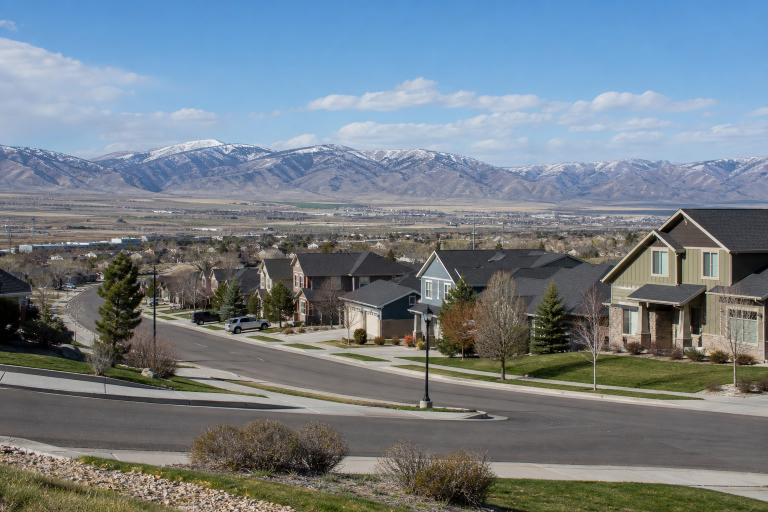
One visit rarely shows the full character of a neighborhood. Return at different times to see how the area actually functions.
- Visit on a weekday morning to observe school traffic and commuting patterns.
- Return during evening rush hour to assess parking, road noise, and activity.
- Drive or walk through on a weekend, when recreation, events, and visitors may change the atmosphere.
- Check the area after dark when appropriate and safe, paying attention to lighting and noise.
- Notice property upkeep, sidewalks, drainage, traffic flow, and the general level of activity.
Bring a short checklist and take notes after every visit. The Consumer Financial Protection Bureau’s homebuying preparation guidance is also a useful reminder to connect your home search with a realistic budget and overall financial plan.
Check Schools And Community Services
Review school boundaries through official district sources, then look beyond a single rating. Programs, transportation, enrollment, extracurricular options, and family needs can all matter. Even buyers without children may want to understand local school information, as it can influence future demand.
Also, map the distance to grocery stores, health care, emergency services, parks, trails, restaurants, and community spaces. Confirm that important services are currently open rather than relying entirely on older reviews or map listings.
Review Costs Beyond The Listing Price
The purchase price is only one part of affordability. Compare the full monthly and long-term cost of owning homes in each neighborhood, including:
- Mortgage principal and interest
- Property taxes and homeowners insurance
- Utilities, internet, and heating costs
- Homeowners association dues or shared-maintenance fees
- Snow removal, road costs, landscaping, and expected repairs
- Fuel and transportation expenses
For example, a home with a lower asking price may be farther from work, have higher heating costs, or require more expensive insurance. Compare estimated ownership costs side by side before assuming the lower-priced property is the better value.
Look At Local Market Signals
Recent sales can provide more helpful context than asking prices alone. Compare similar properties by condition, size, lot, age, and exact location. Review days on market, sale-to-list-price patterns, and the amount of available inventory, while remembering that broad city data may not match conditions on a specific street.
Market data can inform your decision, but it cannot guarantee future value. Focus first on whether the location fits your needs and whether the home is priced reasonably relative to recent comparable sales.
Research Future Changes And Local Risks
Check city and county planning information for proposed roads, zoning changes, new housing, commercial development, or construction near the property. Planned improvements can add convenience, but they can also bring traffic, noise, or changes to views and privacy.
Review location-specific issues such as drainage, flood exposure, wildfire risk, and access during severe weather. The FEMA Flood Map Service Center can help buyers begin checking flood map information, although insurance professionals and local officials can provide additional property-specific guidance.
Talk With People Who Live There
Residents can offer a useful day-to-day perspective. Ask what they enjoy about the area and whether traffic, snow removal, parking, noise, or local events create recurring challenges. Look for themes repeated by several people rather than treating one opinion as a final answer. Online neighborhood groups can also be helpful, but verify important claims through official sources.
Use A Simple Neighborhood Scorecard
Give each neighborhood a score from 1 to 5 in these categories:
- Commute: Travel time, road access, traffic, and fuel costs.
- Daily convenience: Stores, medical care, services, and recreation.
- Housing fit: Price, home styles, lot sizes, and inventory.
- Monthly costs: Taxes, insurance, utilities, fees, and upkeep.
- Long-term fit: Resale appeal, planned changes, and future lifestyle needs.
A scorecard is not a substitute for professional advice. It simply makes your priorities visible and easier to discuss with the people involved in your decision.
Common Questions Buyers Ask
How Many Neighborhoods Should I Compare?
Start with three to five areas. That usually provides enough options without making the search unfocused.
Should I Choose The House Or The Neighborhood First?
Choose a short list of neighborhoods first, then compare homes within those areas. A strong house in the wrong location can create daily frustration that updates and repairs cannot solve.
How Can I Learn About Noise?
Visit at different times, note nearby roads and businesses, and ask residents about recurring patterns such as traffic, trains, school activity, or seasonal events.
Final Decision Checklist
- Confirm the neighborhood supports your everyday routine.
- Visit more than once, including at different times of day.
- Compare taxes, insurance, utilities, and transportation costs.
- Check schools, services, roads, recreation, and planned development.
- Review recent comparable sales and local market conditions.
- Talk with residents when possible, and use a scorecard before making a decision.
The right neighborhood should feel practical today and remain a sensible fit for the future. Taking time to research in person, compare costs, review local information, and ask clear questions can make a home purchase more confident and more sustainable long after closing.
