



Living in Wilmington, North Carolina, means enjoying coastal breezes, beautiful natural landscapes, and a mild climate that shifts distinctly from one season to the next. However, with these seasonal changes come unique challenges for maintaining healthy indoor air quality in local homes and buildings. Indoor environments in Wilmington experience fluctuations in humidity, pollen, and the potential buildup of indoor pollutants, all of which impact comfort and health. For expert advice on keeping your home comfortable year-round, working with a heating and cooling contractor in Wilmington NC can make a significant difference. Understanding how Wilmington’s diverse seasons impact indoor air quality can help residents proactively address these concerns. Making informed choices about ventilation, heating, cooling, and humidity control is essential for keeping your home’s air fresh and healthy.
Carefully managing indoor comfort is especially relevant for Wilmington homes with multiple levels or rooms exposed to direct sunlight, large windows, or varying insulation quality. To balance cooling, heating, and airflow in homes with complex layouts, temperature zoning systems can help ensure every space stays comfortable and healthy year-round.
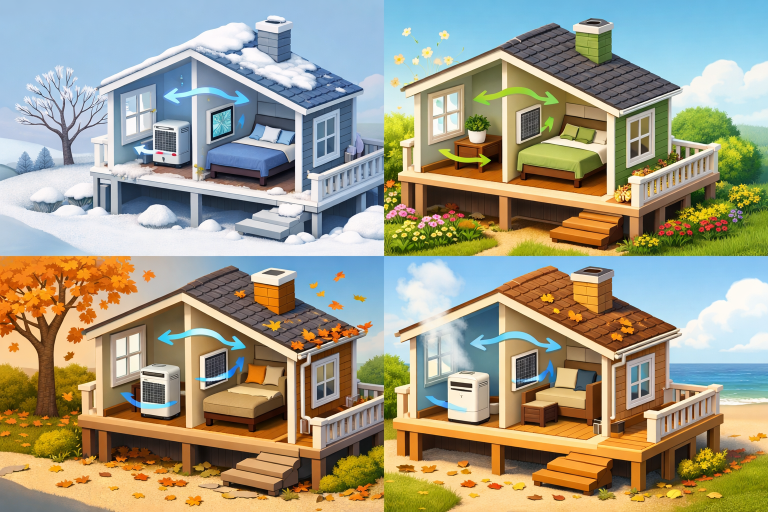
Winter: Trapped Pollutants and Dry Air
Wilmington winters are relatively mild, yet residents often seal their homes to retain warmth. This reduced ventilation can lead to a buildup of dust, pet dander, and volatile organic compounds (VOCs), especially during frequent indoor activities. Gas or electric heating further dries indoor air, aggravating respiratory discomfort and creating ideal conditions for viral spread. According to CDC guidelines, regular ventilation and smart HVAC use are key to minimizing indoor pollutant accumulation during the colder months.
Additionally, spending more time indoors during cooler months means greater exposure to both dust and indoor contaminants such as cleaning product fumes and cooking odors. To ensure comfort, homeowners in Wilmington can use programmable thermostats to maintain a steady temperature, reducing strain on HVAC systems. Changing air filters more frequently is advised during winter, as sealed homes accumulate particles faster. In homes with fireplaces, ensure chimneys are inspected and cleaned, since improper ventilation may lead to a buildup of smoke or carbon monoxide, a serious indoor health threat. Portable humidifiers can also be used in bedrooms or living rooms to restore moisture to the air, alleviating dry skin and respiratory discomfort.
Spring: Pollen and Allergens
Spring in Wilmington is marked by an explosion of plant life and, for many residents, seasonal allergy symptoms. High pollen counts from local trees like oak, pine, and cypress can enter the home through open windows, shoes, and pets. Open windows that let in the cooling breeze, unfortunately, bring in allergens. Keeping door and window screens clean and relying on efficient air filtration systems can help control these springtime irritants. Exacerbated allergies can also be mitigated by frequent vacuuming with HEPA filters and regular laundering of curtains and bedding.
It’s also important to keep air conditioning registers and vents free from dust buildup, as this can worsen allergy symptoms and reduce HVAC efficiency. Consider replacing household air filters with high-efficiency models during the spring months to trap more airborne particles. For especially sensitive individuals, a whole-home filtration or purification system can provide extra relief from allergens. Indoor air quality monitors, now widely available, can alert you to surges in pollen or particulate pollution so you can adjust ventilation or filtration practices as needed. Indoor plants may also help improve air quality, but choose varieties that do not contribute additional pollen.
Summer: Humidity and Mold Growth
Hot, humid summers are a hallmark of life in coastal North Carolina. While air conditioning is a must for comfort, excess indoor humidity creates a breeding ground for mold and dust mites. Bathrooms, attics, and basements are particularly vulnerable to moisture buildup, which can cause structural damage and pose serious health risks. Dehumidifiers, consistent AC use, and routine inspections for roof and plumbing leaks are essential steps for every homeowner. To go further, upgrading insulation and improving attic ventilation will help prevent moisture problems as temperatures climb.
Using ceiling fans alongside your air conditioner can improve airflow and help distribute cool air evenly, reducing hotspots and keeping humidity levels in check. Wilmington residents should also consider scheduling professional HVAC tune-ups before peak summer temperatures to ensure their systems run efficiently. This not only reduces energy costs but also limits the strain on the unit, thereby extending its lifespan. For homes with crawl spaces, lining them with vapor barriers helps reduce excess moisture from seeping into living spaces, further curtailing the risk of mold and mildew. Keeping gutters clean and directing water away from foundations is also crucial during the rainy summer months.
Fall: Decaying Organic Matter and Ventilation Changes
With cooler air and falling leaves, Wilmington residents encounter another set of indoor air challenges. Organic debris accumulates around homes, increasing mold spore and allergen levels, especially during rainy spells. As outdoor temperatures drop, homes become less ventilated, trapping potential pollutants inside. Regular yard cleanup and attention to HVAC filter maintenance are particularly important in autumn. Ensuring that crawl spaces and basements stay dry prevents the spread of musty odors and potential indoor air hazards.
Along with raking leaves and removing yard waste, it’s wise to clean gutters and inspect downspouts to prevent blockages that can lead to pooling water and an increase in mold spore production. Before cold weather arrives in full, this is also an ideal time to check insulation levels and weatherstripping around doors and windows, which directly affect indoor air quality and energy efficiency. During fall, a professional duct cleaning service can remove accumulated pollen, dust, and debris from the warmer months. If your home uses a furnace, remember to check the integrity of vent pipes and replace filters to minimize the risk of circulating pollutants when the heat is turned on.
Mitigating Seasonal Indoor Air Quality Issues
- Routine HVAC Maintenance: Schedule annual inspections and quarterly filter changes to ensure optimal performance and clean air flow.
- Humidity Management: Keep humidity within 30 to 50 percent to limit mold and respiratory discomfort, as outlined by the U.S. Environmental Protection Agency.
- Effective Ventilation: Use exhaust fans in bathrooms and kitchens, and consider adding energy recovery ventilators to balance comfort and fresh air.
- Air Purification: Install HEPA air purifiers to capture allergens, dust, and particles.
- Thorough Cleaning: Frequent dusting and vacuuming in living areas prevent the buildup of indoor irritants.
- Check for Leaks and Seal Gaps: Inspect windows, doors, and plumbing regularly for leaks or cracks that may let outdoor air contaminants in, and seal appropriately to minimize uncontrolled influx.
- Monitor Indoor Air Quality: Invest in portable indoor air quality monitors to track pollen, humidity, and VOCs in real time, enabling targeted interventions when needed.
Conclusion
Residents of Wilmington, North Carolina, benefit from a rich natural landscape and a comfortable climate, but each season brings new indoor air quality challenges. By understanding how local weather patterns impact pollutants, allergens, and moisture levels, homeowners can reduce health risks and maintain a pleasant living environment. Investing in proactive HVAC care, specialized zoning systems, and vigilant cleaning is the surest way to keep your indoor air clean and comfortable year-round.
Staying informed about the specific needs of your home, based on Wilmington’s seasonal shifts, not only promotes better health but also helps you protect your investment in property infrastructure. As you address air quality concerns through maintenance, ventilation, and filtration, remember that working with experienced HVAC professionals gives you access to advanced solutions tailored to your specific needs. Whether it’s upgrading to smart thermostats, integrating whole-home air purifiers, or adding more robust humidity controls, a little foresight pays off with years of improved comfort, cleaner air, and peace of mind for your household.
