


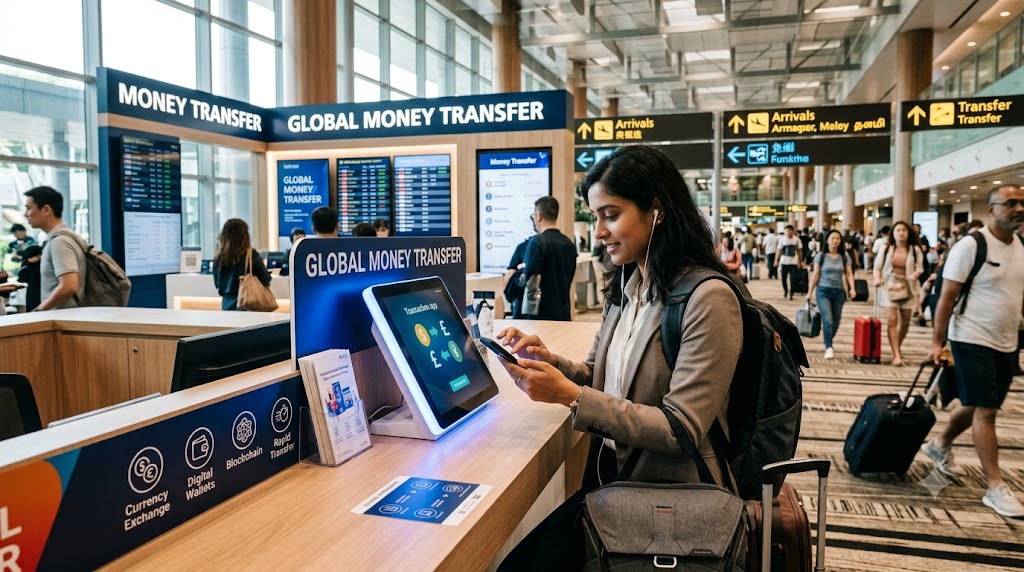
As the world becomes increasingly connected, the way individuals and businesses move money across borders is shifting quickly. Fueled by technology and changing regulatory landscapes, global money transfer trends are stirring innovation and disruption. Whether you are a business conducting frequent international transactions or an individual sending remittances home, understanding these developments is essential. To learn more about how these changes could impact your transactions, visit https://www.onesafe.io/cross-border-payments.
Digitalization, the rise of new payment technologies, and evolving regulations are redefining the rules of cross-border money movement. As technology adoption accelerates, users benefit from better security, faster settlements, and expanded accessibility. But these shifts also introduce new risks, especially as more platforms and currencies enter the scene. Staying informed ensures you make the best decisions for your financial needs and obligations.
It is important to recognize that not all money transfer innovations are created equal. Market fragmentation and regionalization could create new opportunities while complicating how payment systems interact worldwide. As global remittances continue to rise, users and providers must adapt to varying rules, digital channels, and industry standards. These changes are shaping the future of cross-border finance, making it crucial for stakeholders to stay aware and informed.
Below, explore the key trends shaping this dynamic landscape and the significant shifts to watch for in 2024 and beyond.
Digitalization of Remittances
The digitization of remittance services is rewriting how money is sent and received globally. In 2024, digital apps and platforms were responsible for much of the increase in global remittances, which rose by 4.6% to reach $905 billion. Fast-growing digital channels now enable users to send funds instantly without needing physical cash, providing significant convenience and security. This movement toward digital solutions opens money transfers to a wider group, especially those who may have been underserved by traditional channels.
As more businesses and individuals turn to digital remittance services, these platforms are prioritizing user-friendly experiences, robust cybersecurity, and transparent fee structures. This transition is also helping support financial inclusion by reducing barriers for unbanked or underbanked communities worldwide. According to a Wall Street Journal article, digital remittance tools are particularly popular among younger generations who demand speed and convenience.

Rise of Stablecoins
Stablecoins are cryptocurrencies pegged to assets like the United States dollar and are rapidly becoming a favorite option for cross-border transactions. They offer near-instant settlements, lower transaction fees, and relief from the volatility that characterizes traditional cryptocurrencies. Yet experts stress that, despite these benefits, stablecoins are not a simple solution to the complexities of global payments. Issues such as regulatory uncertainty, the need for trusted on/off ramps, and concerns over liquidity and transparency must still be addressed.
The ongoing evolution of stablecoin regulations will help determine how widely these assets can be adopted for mainstream cross-border payments. Nevertheless, stablecoins already facilitate billions in daily transactions globally and could become even more prevalent as governments refine the legal and compliance requirements. As noted in Reuters coverage, both payment giants and fintech firms are experimenting with stablecoins to drive seamless, low-cost transactions.
Fragmentation and Regionalization
The landscape of cross-border payments is becoming more fragmented as countries develop their own regional payment networks. This development is partly due to shifting geopolitical alliances and the desire to limit exposure to global intermediaries. Notable examples include Brazil’s instant payments platform PIX and India’s Unified Payments Interface (UPI), both of which have helped spur innovation and domestic financial activity.
Such region-centric payment solutions add resilience and efficiency but can also introduce complexity for those who operate internationally. Users may need to navigate a patchwork of payment networks and varying regulatory standards when conducting cross-border transactions. As more regions invest in their own payment infrastructure, the need for interoperability, transparency, and cross-system coordination will become even more critical for global commerce.
Integration of Artificial Intelligence
Artificial intelligence is fundamentally changing how money flows across borders. AI-powered fraud detection algorithms can analyze transaction patterns and flag suspicious activity with greater precision. Machine learning also optimizes background processes, automates compliance checks, and smooths out operational inefficiencies. Additionally, AI systems help personalize user experiences by tailoring recommendations and support to specific customer needs and behaviors.
Financial institutions and fintech companies leveraging AI can provide safer, faster, and more reliable cross-border payment services. The adoption of AI-driven tools is expected to reduce risks such as money laundering and financial crime while boosting trust and user satisfaction. According to CNBC, AI tools are now frontline defenses for banks and payment processors aiming to comply with global anti-money laundering regulations.
Cost Reduction Initiatives
Reducing the fees associated with international money transfers remains a top priority in the industry. Over the past decade, average global remittance costs have dropped from over 8% to roughly 6% in 2025, thanks largely to advances in fintech and heightened competition. However, this rate still surpasses the United Nations’ goal of reducing average remittance costs to 3% or less.
Persistent challenges include high compliance costs, infrastructure gaps, and the unique risks involved in serving high-risk corridors. Innovations such as blockchain, expanded agent networks, and transparent fee structures are helping lower these barriers further. Financial providers and policymakers are expected to continue working to make international money transfers more accessible and affordable for everyone.
Emergence of Fintech Platforms
Fintech companies are reshaping global money transfers by offering alternatives to legacy banking. With features such as real-time processing, lower costs, and intuitive digital interfaces, these platforms are drawing millions of new users and improving financial inclusion. Leading companies also use blockchain to enable transparent, secure cross-border transfers, creating a more competitive environment for traditional banks and remittance providers.
These digital-first approaches empower users with more control, swifter settlements, and unprecedented transparency. The proliferation of fintech and the rapid pace of innovation continue to push the industry forward, providing sustainable solutions for evolving user demands.
Regulatory Evolution
As technology transforms global payments, regulators around the world are stepping up oversight. New laws are being introduced to govern everything from digital currency transactions to the role of fintech in international finance. Ensuring security, transparency, and compliance has become a major priority for governments as they adapt to developments in digital money movement.
Well-designed regulation can boost consumer confidence and foster competition, but excessive or fragmented rules may cause confusion or slow innovation. Stakeholders must stay up to date on evolving regulatory requirements to ensure compliance and avoid disruptions to cross-border operations. For further reading on the shifting regulatory landscape, see Financial Times.
Conclusion
The landscape of global money transfers in 2024 and beyond is evolving at an unprecedented pace. Digitalization, stablecoins, regional payment solutions, artificial intelligence, cost-reducing innovations, and evolving regulatory frameworks are transforming the industry. Staying aware of these trends and adapting to new opportunities will ensure that individuals and businesses continue to thrive in an ever-changing cross-border payments environment.
