


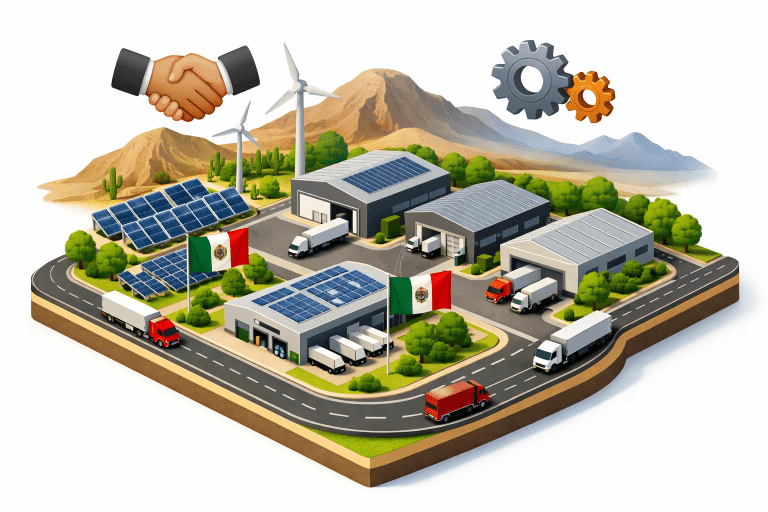
Mexico is rapidly emerging as a top destination for companies seeking to establish industrial facilities. Its proximity to major North American markets, robust transportation networks, and favorable economic environment make it particularly attractive to foreign investors. For organizations evaluating entry into the region, understanding how to engage with reliable industrial construction companies in Mexico can accelerate successful project development and mitigate potential risks.
The process of building industrial facilities in Mexico involves far more than just selecting a plot of land and breaking ground. Investors must consider a complex mix of factors, including regulatory compliance, local partnership opportunities, and long-term sustainability. This guide explores each aspect in detail, empowering decision-makers with the insights needed to navigate the Mexican industrial landscape efficiently.
The appeal of Mexico is grounded in both market demand and strategic positioning. As international and domestic enterprises scale up operations, the country’s burgeoning industrial zones offer unique opportunities for manufacturers, logistics firms, and technology providers. Selecting the right development partners, understanding regional strengths, and leveraging available governmental incentives are all critical to long-term operational success.
This article outlines the stages and best practices for foreign investors planning and executing new industrial construction projects in Mexico. Whether you are considering a greenfield development or retrofitting an existing site, the steps below will help ensure a smooth entry into this dynamic market.
Understanding Mexico’s Industrial Landscape
Over the last two decades, Mexico’s industrial sector has grown extensively. New industrial parks, such as the Alliuz Alamar Industrial Park in Tijuana, demonstrate the country’s commitment to creating a modern infrastructure for industries ranging from automotive to consumer electronics. This continuous growth is driving a surge in foreign capital and strengthening supply chain integration with the United States and Canada. According to Reuters, nearshoring trends have heightened Mexico’s appeal to multinational corporations seeking to reduce shipping times and costs.
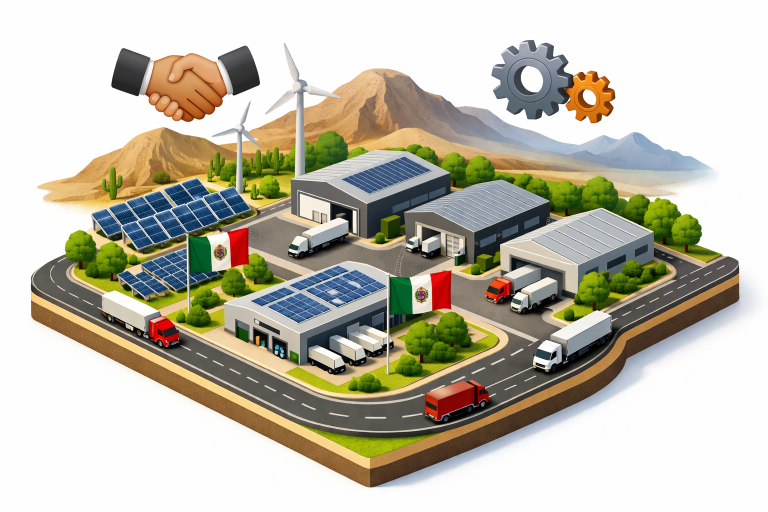
Key Considerations for Foreign Investors
The process of planning and developing an industrial facility in Mexico requires thorough research and careful consideration of several core factors:
- Market Demand: Investors need to evaluate demand for their offerings, not just in Mexico but across broader North American and Latin American markets. Market research can identify regions with unmet needs or industrial clusters that complement your business.
- Supply Chain Logistics: The country’s extensive highway network, rail connectivity, and proximity to seaports must be assessed to ensure raw materials and finished goods can flow efficiently throughout the region.
- Workforce Availability: The availability and quality of skilled labor vary by region. Areas with established technical schools and training programs tend to have a larger pool of qualified candidates for specialized positions.
Choosing the Right Location
Identifying the optimal region for your facility is one of the most impactful decisions for long-term success. Mexican states such as Nuevo León, Baja California, and Jalisco have attracted immense foreign investment in recent years. For example, Thor Urbana’s $128 million investment in a state-of-the-art industrial park in Nuevo León highlights the local advantages: business-friendly regulations, strong workforce, and immediate access to the U.S. border, according to Mexico Business News.
Availability of land, proximity to highways and railroads, access to energy sources, and incentives from municipal and state governments are key factors to weigh when making a final location choice. Many companies also seek locations close to major automotive or electronics clusters to benefit from established supply chains.
Navigating Legal and Regulatory Requirements
Successfully launching operations in Mexico means prioritizing compliance at every step. Investors must:
- Secure Permits and Licenses: Obtain all necessary building permits, zoning clearances, and operating licenses through both federal and local government channels. Early engagement with legal counsel experienced in Mexican business law is essential for streamlining these processes.
- Follow Environmental Regulations: Mexico has robust environmental regulations. Companies are required to conduct environmental impact assessments and implement measures to minimize pollution and energy consumption. Failure to comply can result in delays, penalties, or permit revocation.
- Comply with Labor Laws: Mexican labor standards are comprehensive, covering compensation, working hours, safety, and union relationships. Adhering to all national requirements is crucial to sustaining a loyal and motivated workforce.
Engaging with Local Partners
Establishing strong local partnerships is a consistent best practice for foreign investors. Seasoned industrial developers, like Lintel, offer unparalleled insights into the region’s regulatory framework, construction culture, and business environment. Collaborative efforts with Mexican partners can accelerate project timelines, optimize site selection, and streamline approvals. This approach also helps foreign companies understand local labor dynamics and foster positive relationships with authorities and the community.
Leveraging Government Incentives
The Mexican government has introduced several initiatives to attract and retain foreign manufacturers. These include corporate tax reductions, job-creation grants, and infrastructure support. By staying informed about evolving incentive programs, investors can potentially reduce upfront capital investment and ongoing operational costs. It’s advisable to consult regional economic development offices early in the planning phase to access all available incentives and optimize your investment return.
Ensuring Sustainable Operations
Sustainability is an expectation from regulators, customers, and financial stakeholders alike. Best practices for sustainable operations include:
- Energy Efficiency: Incorporating renewable energy solutions and advanced automation can significantly lower utility expenses and reduce carbon footprint.
- Waste Management: Implementing robust recycling and waste-reduction programs will ensure compliance with environmental standards and offer cost-saving opportunities.
- Community Engagement: Building strong ties with local stakeholders fosters goodwill, eases long-term business operations, and supports employee recruitment and retention.
Conclusion
Establishing industrial facilities in Mexico offers tangible advantages for international investors seeking proximity to the market and operational efficiency. By taking a strategic approach that considers location, engages trusted partners, maintains regulatory compliance, and prioritizes sustainability, companies can unlock the full potential of Mexico’s industrial and economic landscape. Remaining aware of government incentives and focusing on community integration will further cement long-term growth and resilience in this important manufacturing hub.
