


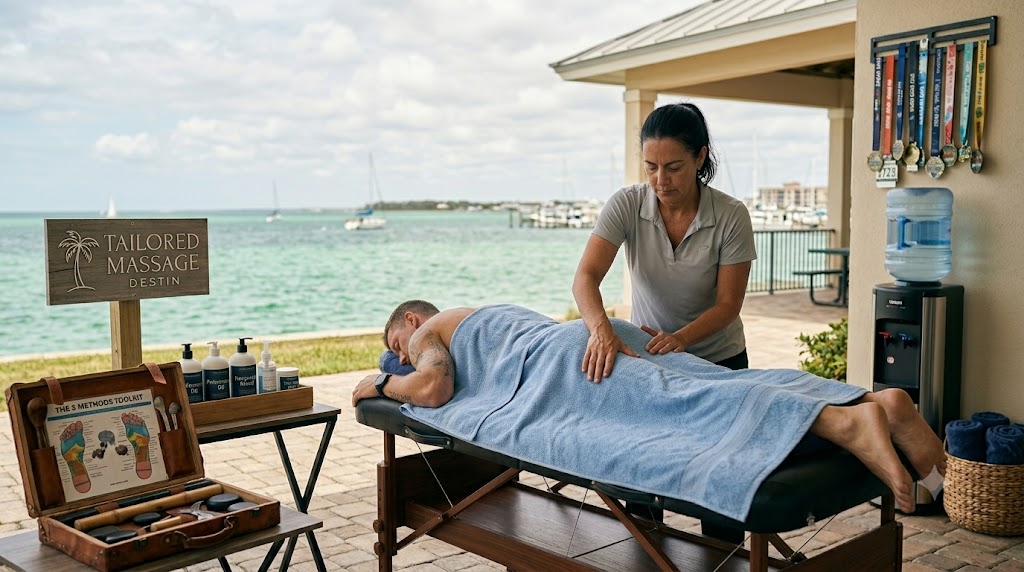
In the world of health and wellness, agencies often focus on developing client-centric wellness plans that cater to individual needs. A key component of these plans is the incorporation of massage techniques that not only promote relaxation but also enhance overall well-being. This article explores five distinct massage methods available through Tailored Massage Destin that can elevate your wellness experience. By understanding these techniques, you can make informed decisions to optimize your health routine.
Massage Techniques for Whole-Body Relaxation

Whole-body relaxation massage is a cornerstone in any agency’s Wellness Program Compliance efforts. This technique focuses on soothing the entire body by targeting muscle tension and improving circulation. Wellness Optimization Coordinators often recommend this method as part of a holistic marketing strategy to promote sustained wellbeing.
By incorporating gentle, rhythmic strokes, whole-body relaxation massages facilitate the body’s natural healing processes. Such techniques are instrumental in reducing stress levels, which is a critical factor in various Health Promotion Campaigns. Agencies that prioritize mindfulness engagement metrics find these massages effective in improving mental clarity and emotional balance.
Recent research from Harvard Health supports the benefits of relaxation massages, highlighting their role in decreasing anxiety and enhancing sleep quality. This underscores the importance of including whole-body relaxation massages in self-care resource allocation strategies.
Deep Tissue Massage for Muscle Recovery
Deep tissue massage is highly regarded for its effectiveness in muscle recovery and rehabilitation. This technique involves applying firm pressure to reach deeper layers of muscle and fascia, aiming to release chronic tension. For agencies, integrating deep tissue massages into Client Wellbeing Assessments can significantly aid individuals recovering from physical exertion or injury.
Agencies focusing on Therapeutic Lifestyle Change often highlight deep tissue massage as a pivotal part of their Behavioral Health Outreach. By addressing muscle knots and increasing blood flow, this technique supports quicker recovery and reduces inflammation, making it a staple in preventive care initiatives.
According to a study by the National Institutes of Health, participants who received regular deep tissue massages reported a 30% reduction in pain. This finding emphasizes the technique’s potential in promoting long-term physical wellness.
Aromatherapy Massage for Enhanced Mood
Aromatherapy massage combines the therapeutic benefits of essential oils with traditional massage techniques. For agencies implementing Integrative Health Approaches, this method is an excellent tool for emotional resilience training. The selected oils cater to specific needs, such as calming lavender for stress relief or invigorating peppermint for increased alertness.
By engaging the olfactory senses, aromatherapy massages can profoundly impact mood and mental state. This makes them valuable in client-centric wellness plans, especially for those looking to balance emotional health alongside physical well-being.
Agencies that include aromatherapy in their health literacy programs often observe increased client satisfaction and improved outcomes in wellness optimization strategies. This massage technique is not just about relaxation; it’s a comprehensive approach to enhancing emotional and psychological health.
Thai Massage for Increased Flexibility and Energy
Originating from ancient healing traditions, Thai massage is known for its ability to increase flexibility and energy. This technique involves assisted stretching and rhythmic compressions, aligning with Wellness Program Compliance standards to ensure a holistic treatment experience.
For agencies incorporating Thai massage into their offerings, the focus is on achieving a balance between muscle tension release and energy flow improvement. This aligns with preventative care initiatives that prioritize maintaining physical flexibility and reducing injury risks.
Practitioners often integrate Thai massage into their Client Wellbeing Assessments, as it complements other health and wellness practices. By promoting energy circulation and muscle elasticity, this technique supports a comprehensive approach to health maintenance, essential for any holistic marketing strategy focused on long-term client satisfaction.
Conclusion

Exploring various massage techniques like those offered at Tailored Massage Destin can significantly enhance your wellness journey. By choosing methods that align with your specific needs, such as relaxation, muscle recovery, or mood enhancement, you actively participate in your health optimization. For agencies, integrating these techniques into client wellness plans is a strategic move to foster a culture of health and self-care.
